What Can You Learn from the Olympic Organisers as a Small Business Owner in Australia?
Disclaimer: This blog post is intended for informational purposes only and does not constitute legal, financial, visa, or medical advice. Please consult with a qualified professional for advice tailored to your specific situation.
Olympic organisers master the art of planning, resilience, and legacy-building—skills that are not just for global sporting events, but are directly transferable to the daily realities and ambitions of Australian female small business owners. By adopting Olympic-inspired strategies, you can elevate your business management, overcome unique challenges, and build a sustainable legacy.
Table of Contents
1) Introduction: Why Look to the Olympics?
2) The Olympic Blueprint: Organisational Excellence Unpacked
Project Management Mastery
Stakeholder Engagement
Risk and Crisis Management
Financial Discipline
Timeline and Milestone Management
Team Leadership and Culture
Sustainability and Legacy
3) Australian Small Business Realities: The Female Entrepreneur’s Landscape
4) Translating Olympic Principles to Your Business
Strategic Planning and Goal Setting
Building Flexible, High-Performing Teams
Stakeholder and Community Engagement
Risk Management and Scenario Planning
Financial Control and Resource Optimisation
Embracing Digital Tools and Data
Sustainability and Long-Term Value
5) Case Studies: Olympic Lessons in Action for Australian Women
6) Actionable Frameworks and Tools
7) Conclusion: Your Olympic Legacy as a Business Owner

Introduction: Why Look to the Olympics?
The Olympic Games are the world’s most complex, high-stakes events—requiring years of meticulous planning, coordination across continents, and the ability to adapt to the unexpected. But what does this have to do with running a small business in Australia, especially as a female entrepreneur?
The answer: everything.
Olympic organisers face challenges that mirror those of small business owners—tight budgets, high expectations, diverse stakeholders, and the need to deliver results under pressure. Their success is built on principles and practices that are scalable, practical, and proven. By learning from their playbook, you can transform your business management, overcome the unique hurdles faced by women in business, and set your enterprise on a path to sustainable growth and impact.
The Olympic Blueprint: Organisational Excellence Unpacked
Project Management Mastery
Olympic organisers use structured, phased project management frameworks—like PRINCE2 and milestone-driven planning—to break down massive undertakings into manageable, trackable stages. Each phase has clear objectives, roles, and review points, ensuring nothing falls through the cracks.
Business Application:
Use stage-gate processes for product launches or service rollouts. Break projects into phases (research, development, marketing, delivery), assign responsibilities, and review progress at each stage.
Stakeholder Engagement
The Olympics are a masterclass in stakeholder coordination.
Organisers must align the interests of governments, sponsors, athletes, media, and local communities. They use stakeholder mapping, regular communication, and transparent decision-making to keep everyone on board.
Business Application:
Map your key stakeholders—customers, suppliers, partners, community groups—and engage them through regular updates, feedback sessions, and collaborative planning.
Risk and Crisis Management
Olympic risk management is rigorous and proactive.
Organisers maintain living risk registers, conduct scenario planning, and develop detailed contingency plans for everything from weather disruptions to global pandemics.
Business Application:
Identify potential risks in your business (supply chain, cash flow, compliance), assess their impact, and create contingency plans. Regularly review and update your risk register.
Financial Discipline
Budget overruns are a notorious Olympic challenge, but recent Games have improved cost control through strict budgeting, real-time expense tracking, and regular financial reviews. Financial transparency and discipline are non-negotiable.
Business Application:
Set clear budgets for projects, monitor expenses, and adjust plans as needed. Use simple tools (spreadsheets, accounting software) to track financial health.
Timeline and Milestone Management
Olympic projects are scheduled with military precision.
Gantt charts, critical path analysis, and earned value tracking ensure that every task is on time and on budget.
Business Application:
Use project management tools (like Trello or Asana) to break down tasks, set deadlines, and track progress. Celebrate milestones to maintain momentum.
Team Leadership and Culture
Olympic committees build temporary, expert-driven teams that blend international experience with local knowledge. They foster a culture of inclusion, learning, and adaptability.
Business Application:
Build flexible teams by combining core staff with freelancers or volunteers. Invest in training and create a culture where feedback and learning are valued.
Sustainability and Legacy
Modern Olympics are designed with legacy in mind—from infrastructure to community engagement and environmental sustainability. Organisers plan for long-term value, not just short-term success.
Business Application:
Consider the long-term impact of your business decisions. Invest in relationships, community initiatives, and sustainable practices that build your brand and legacy.
Australian Small Business Realities: The Female Entrepreneur’s Landscape
Before diving into practical applications, it’s crucial to understand the unique landscape faced by female small business owners in Australia.
Key Challenges
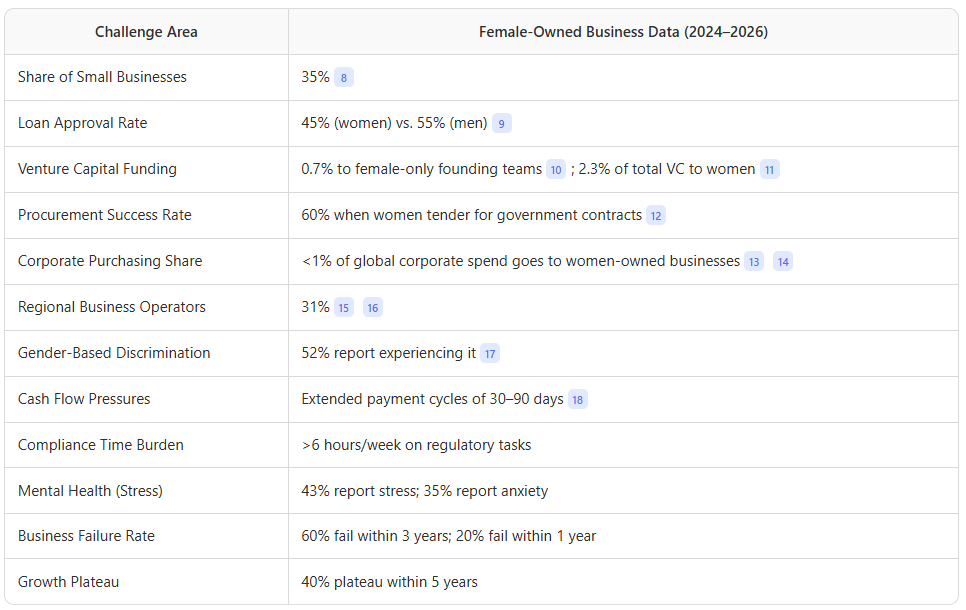
Key Finding:
Female business owners in Australia face higher financial barriers, limited access to networks and procurement, greater compliance burdens, and persistent gender-based discrimination.
The Olympic Connection
Olympic principles—rigorous planning, stakeholder engagement, risk management, and legacy thinking—directly address these pain points. They offer a roadmap for overcoming operational overload, accessing new markets, and building resilience in the face of adversity.
Translating Olympic Principles to Your Business
Strategic Planning and Goal Setting
Olympic organisers set clear, measurable goals—from medal targets to sustainability benchmarks. They use data and feedback to adjust strategies in real time.
Your Move:
Set SMART (Specific, Measurable, Achievable, Relevant, Time-bound) goals for your business. Regularly review progress and adjust your plan as needed.
Building Flexible, High-Performing Teams
Olympic teams are assembled for specific projects, blending core staff with external experts and volunteers. This allows for rapid scaling and adaptation.
Your Move:
Build a network of trusted freelancers, mentors, and partners. Use project-based teams for launches, events, or busy periods.
Stakeholder and Community Engagement
Olympic success depends on stakeholder buy-in. Organisers use mapping tools and regular engagement to align interests and manage expectations.
Your Move:
Identify your key stakeholders—customers, suppliers, community groups. Engage them through surveys, focus groups, and transparent communication.
Risk Management and Scenario Planning
Olympic organisers maintain detailed risk registers and conduct scenario planning for everything from weather to pandemics.
Your Move:
List potential risks in your business, assess their likelihood and impact, and develop mitigation strategies. Review and update your risk register regularly.
Financial Control and Resource Optimisation
Olympic budgets are tracked in real time, with regular reviews and adjustments.
Your Move:
Set clear budgets for projects, monitor expenses, and adjust as needed. Use simple accounting tools to stay on top of your finances.
Embracing Digital Tools and Data
Olympic organisers use digital dashboards, scheduling software, and data analytics to track progress and make informed decisions.
Your Move:
Invest in affordable digital tools for project management, accounting, and customer engagement. Use data to inform your decisions and measure success.
Sustainability and Long-Term Value
Olympic legacy planning focuses on long-term community and environmental impact.
Your Move:
Integrate sustainability into your business—reduce waste, source locally, and support community initiatives. Think beyond immediate profits to long-term value.
Case Studies: Olympic Lessons in Action for Australian Women
1. Product Launch Using Stage-Gate Planning
A Melbourne-based female entrepreneur launching a new skincare line used a stage-gate process inspired by Olympic project management. She broke the launch into phases—market research, product development, marketing, and sales—assigning clear responsibilities and reviewing progress at each stage. This approach kept the project on track and within budget.
2. Event Planning with Milestone Tracking
A Sydney event planner adopted Olympic-style scheduling for a major client event. She used Gantt charts to map out every task, set milestones, and held weekly check-ins. The result: a seamless event delivered on time, with all stakeholders informed and engaged.
3. Building a Flexible Team
A Brisbane-based business owner combined her core staff with freelancers and volunteers for a seasonal sales push, mirroring Olympic volunteer management. Clear onboarding and role definitions ensured everyone was aligned and productive.
4. Risk Mitigation and Scenario Planning
A Perth-based consultancy developed a risk register and conducted scenario planning for potential disruptions—supply chain delays, regulatory changes, and cash flow issues. When a key supplier failed, the business was able to pivot quickly, minimising impact.
5. Sustainability as a Brand Differentiator
A regional café owner in Victoria integrated sustainability into her operations—sourcing local produce, reducing waste, and supporting community causes. Inspired by Olympic legacy planning, she built a loyal customer base and enhanced her brand reputation.
Actionable Frameworks and Tools

Tools to Get Started
Project Management: Trello, Asana, Monday.com
Financial Tracking: Xero, MYOB, QuickBooks
Stakeholder Mapping: Miro, Lucidchart
Risk Register Templates: Free online templates or Excel
Sustainability Checklists: Australian Small Business and Family Enterprise Ombudsman resources

Conclusion: Your Olympic Legacy as a Business Owner
The Olympic Games are more than a sporting spectacle—they are a masterclass in strategic planning, resilience, and legacy-building. As a female small business owner in Australia, you face unique challenges: financial barriers, limited networks, compliance burdens, and the constant pressure to do more with less.
But you also have the opportunity to lead with vision, agility, and purpose.
By adopting Olympic-inspired principles—structured planning, stakeholder engagement, risk management, financial discipline, and a focus on legacy—you can overcome obstacles, seize new opportunities, and build a business that stands the test of time.
Key Takeaway:
The Olympic mindset is not about being the biggest—it’s about being the best prepared, the most resilient, and the most committed to leaving a positive legacy. Bring these values into your business, and you’ll be ready to go for gold—no matter what challenges come your way.
Further Reading & Resources
If you’d like personalised support in developing your strategic plan or managing your business, feel free to reach out. Let’s work together to turn your goals into reality!
There are many ways of working with professionals. Start small, but keep it regularly and don’t wait until something happens. Strategic planning and periodic reviews are a great start to implement those strategies.
Perfectly Organised NT can assist with a financial review and strategic business planning & management. Find out more!

Perfectly Organised NT - helping small business owners in Australia manage their business.